When entering the world of music, choosing a piano or digital keyboard can feel overwhelming due to the variety of options available. One of the most important factors to consider when selecting your instrument is the number of keys it has.
- How many keys are ideal for your needs?
- What’s the difference between a 25-key and an 88-key piano?
- How many white and black keys are there on a full-sized piano?
These are common questions when making this decision.
In this article, we’ll delve into the world of piano keys, exploring a wide range of options—from compact keyboards with 25 keys to digital pianos with 88 keys that mimic a full acoustic piano. Our goal is to provide clear and detailed information about each type of keyboard, its typical uses, and answer any questions you might have.
Whether you’re a beginner searching for your first instrument or an experienced musician looking to diversify your setup, this guide will help you make an informed decision about the number of keys best suited to your musical goals. Dive into the fascinating world of piano keys and discover the perfect choice for you!
- How Many Keys Does a Piano Have?
- 25 Keys: Mini Keyboards with Maximum Portability
- 32 Keys: Versatility in a Compact Space
- 37 Keys: A Bridge Between Portability and Functionality
- 49 Keys: Ideal for Performance and Composition
- 54 Keys: More Space for Creativity
- 61 Keys: Versatility and Expression
- 76 Keys: Enhanced Comfort for Performers
- 88 Keys: The Full-Sized Digital Piano
- Visual Comparison of Different Keyboard Types
How Many Keys Does a Piano Have?
To answer the question, “How many keys does a piano have?” we look to the industry standard: the full-sized piano. This magnificent instrument features a total of 88 keys, divided into two main categories:
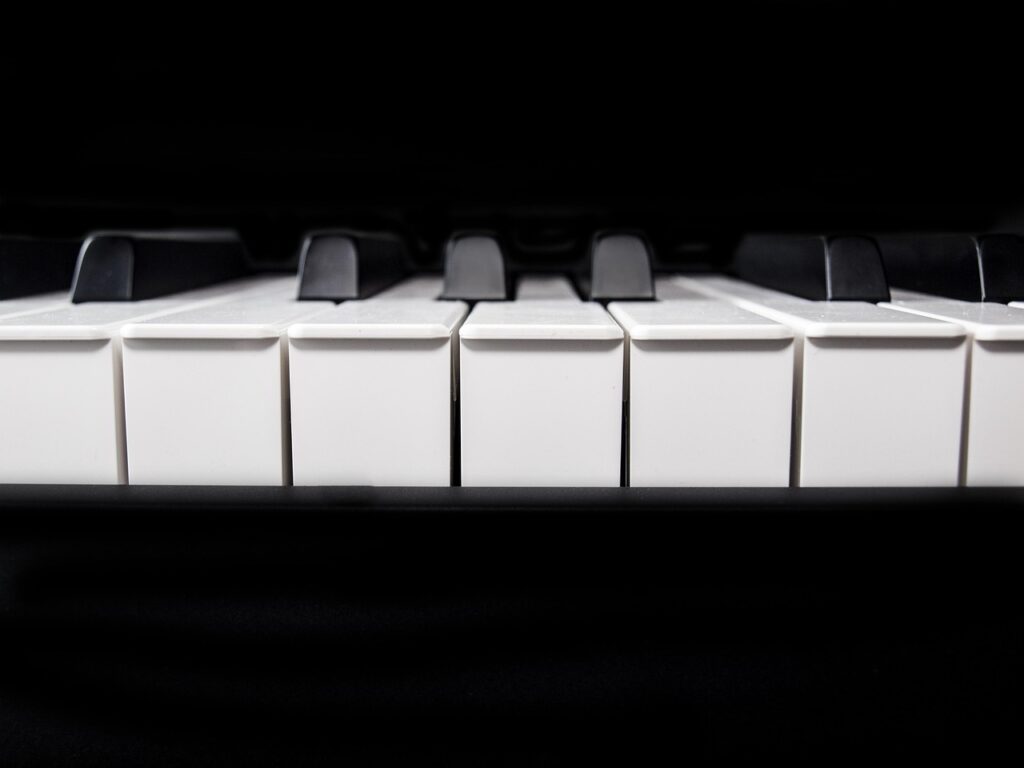
- White Keys: These are the most numerous, totaling 52 keys on a standard piano. They span from the note A to the note C, creating a repeating sequence of seven musical notes: C, D, E, F, G, A, and B.
- Black Keys: Positioned between the white keys, there are 36 black keys on a full-sized piano. These represent sharp or flat notes, such as C# or F#, which fill the spaces between natural notes. The black keys follow a pattern of alternating groups of two and three.
With a basic understanding of the anatomy of an 88-key piano, let’s now explore the various types of keyboards based on the number of keys, each with its unique characteristics and uses. From compact pianos ideal for beginners to professional-grade keyboards, we’ll discover how varying key counts cater to different musical styles and needs.
25 Keys: Mini Keyboards with Maximum Portability
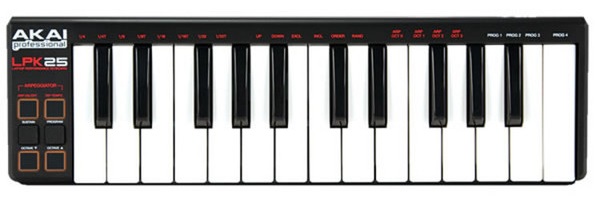
Perfect for musicians on the move, 25-key mini keyboards are the ultimate choice for portability and efficiency. Despite their small size, they pack a punch when it comes to music production, allowing for quick basslines, catchy melodies, and even chord progressions through octave shifting. These keyboards are widely used by producers in electronic music, hip-hop, and beat-making due to their compact design and intuitive controls. Many models come equipped with drum pads, encoders, and DAW integration, making them an essential tool in a producer’s setup. Whether you’re sketching out ideas in a café or performing live with a laptop, a 25-key keyboard is a powerhouse in a small package.
32 Keys: Versatility in a Compact Space
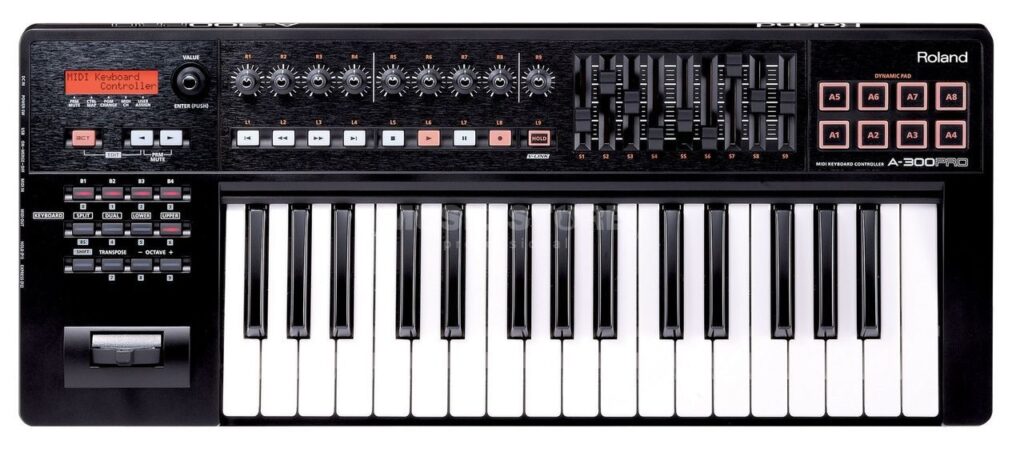
If you need a bit more range without compromising on portability, 32-key keyboards offer a great middle ground. With just over two and a half octaves, these keyboards allow for more expressive melodies and the ability to play with both hands. This makes them a fantastic choice for beginners who want to explore piano fundamentals without committing to a full-sized instrument. Additionally, their lightweight design means they can easily fit in a backpack, making them an excellent travel companion. Whether you’re a singer-songwriter adding simple harmonies or an electronic musician sequencing synth lines, a 32-key keyboard provides just the right amount of flexibility.
37 Keys: A Bridge Between Portability and Functionality
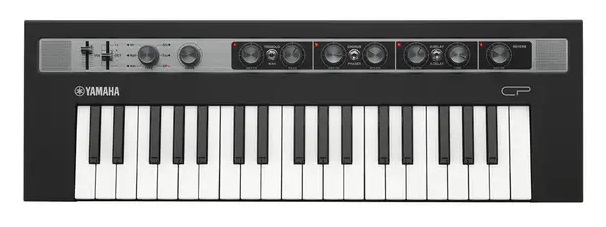
With three full octaves at your fingertips, 37-key keyboards strike an excellent balance between convenience and creative freedom. They’re still small enough to carry around but provide enough range to play more dynamic pieces. These keyboards are commonly used in live performances, particularly in genres like electronic music, where synthesizers play a crucial role. Many models offer aftertouch, assignable controls, and arpeggiators, adding depth to your playing. If you want a compact keyboard that doesn’t feel too restrictive, 37 keys offer the best of both worlds.
49 Keys: Ideal for Performance and Composition
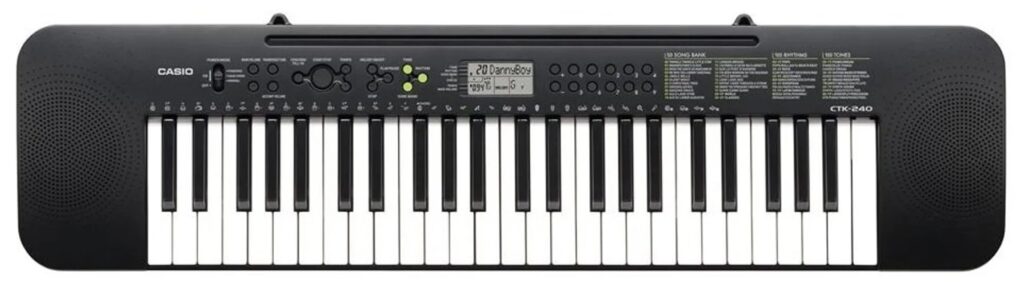
Now stepping into the realm of more serious performance and composition, 49-key keyboards offer nearly four octaves—enough range to play complex pieces while still remaining compact. These keyboards are widely used in home studios and live setups due to their versatility. They allow for comfortable chord voicings and melody lines without frequent octave shifting. Many 49-key models feature semi-weighted or fully-weighted keys, giving a more authentic piano feel. Whether you’re composing cinematic scores, layering synths, or playing jazz progressions, a 49-key keyboard provides the space and functionality to bring your ideas to life.
54 Keys: More Space for Creativity
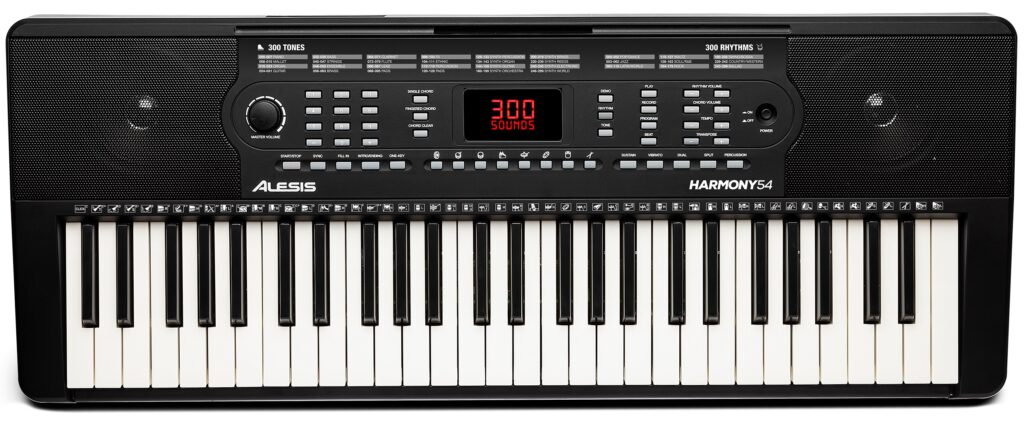
For musicians who crave a little more freedom but don’t want to jump straight to a full-sized keyboard, 54 keys provide a comfortable playing experience. With just over four octaves, this keyboard size is ideal for students transitioning from smaller keyboards or for hobbyists who want to experiment with different styles. These keyboards often come loaded with built-in sounds, rhythms, and learning features, making them a popular choice for beginners. The extra keys offer more creative possibilities, allowing for richer chord progressions and greater expressive control.
61 Keys: Versatility and Expression
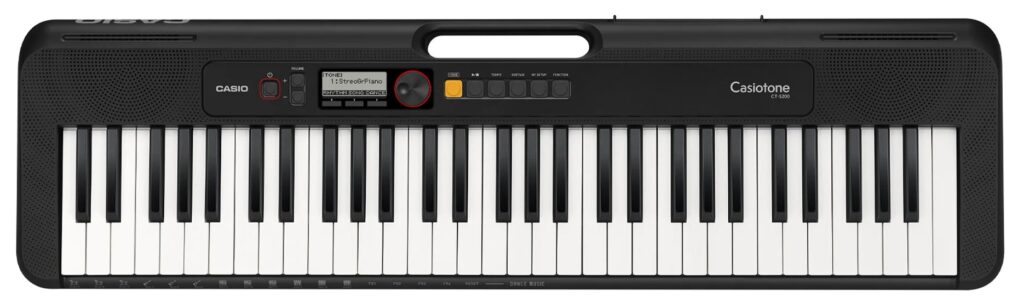
A favorite among keyboardists, 61-key models offer a well-balanced combination of portability and playability. With five octaves at your disposal, you can comfortably play a vast range of music—from pop and jazz to classical and film scoring. These keyboards are often equipped with weighted or semi-weighted keys, offering a more realistic piano-like experience. Many also come with split and layering functions, allowing you to assign different sounds to different sections of the keyboard. Whether you’re a gigging musician, a producer layering synth leads, or a learner looking for a full range of musical expression, a 61-key keyboard is a powerful and versatile choice.
76 Keys: Enhanced Comfort for Performers
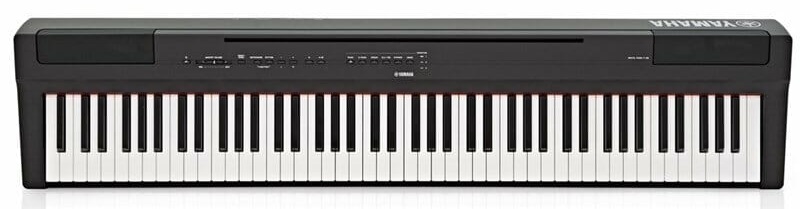
For those who want even more range but don’t quite need a full 88 keys, 76-key keyboards provide the perfect compromise. With nearly six and a half octaves, they allow for comfortable left-hand accompaniment while maintaining the flexibility needed for expressive solos. These keyboards are especially useful for stage performers and studio musicians who require a broad tonal range without the bulk of a full-sized piano. They often feature hammer-action or weighted keys, making them a great choice for those who want a piano-like feel. If you need more musical space but still want a relatively compact instrument, 76 keys offer an excellent balance of power and portability.
88 Keys: The Full-Sized Digital Piano

For the ultimate piano experience, nothing beats an 88-key digital piano. With the same key count as an acoustic grand piano, these instruments allow for a complete range of expression, from deep, resonant bass notes to sparkling high-register melodies. Digital pianos with 88 keys are perfect for serious pianists, students, and professionals who demand the full spectrum of dynamics and tone. Many models feature weighted keys, graded hammer action, and advanced sound engines that replicate the feel and sound of a grand piano. Whether you’re practicing classical sonatas, composing film scores, or performing on stage, an 88-key keyboard delivers an authentic and immersive playing experience.
Visual Comparison of Different Keyboard Types
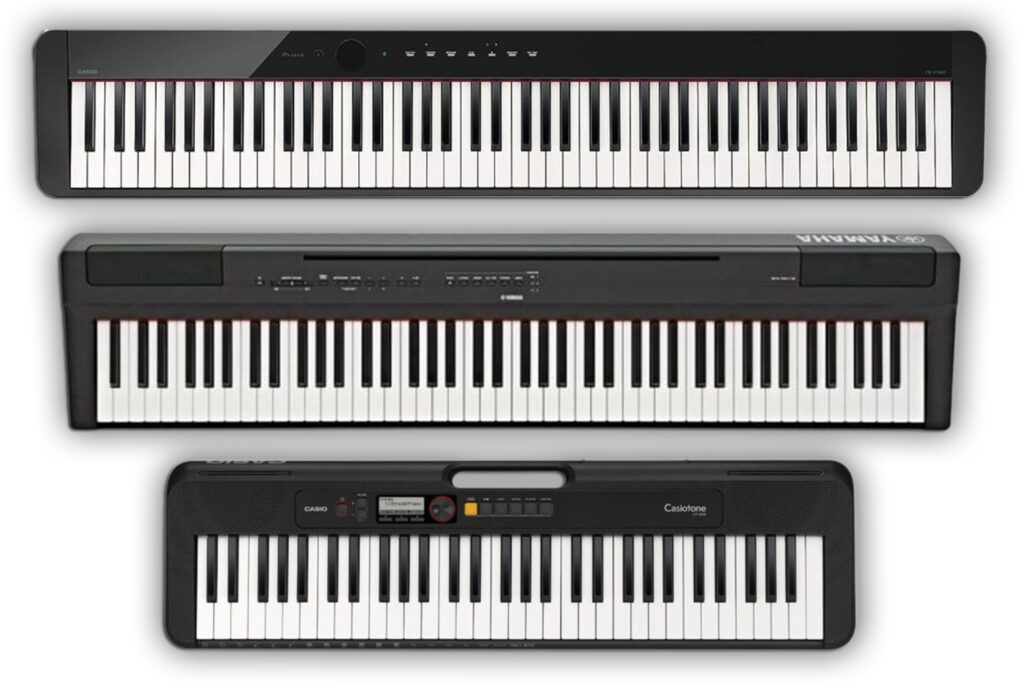
A picture is worth a thousand words, and when it comes to understanding the differences between keyboard types by key count, a visual representation can be enlightening. Below, we present an image that clearly illustrates how these different keyboards look, with middle C as a reference point.
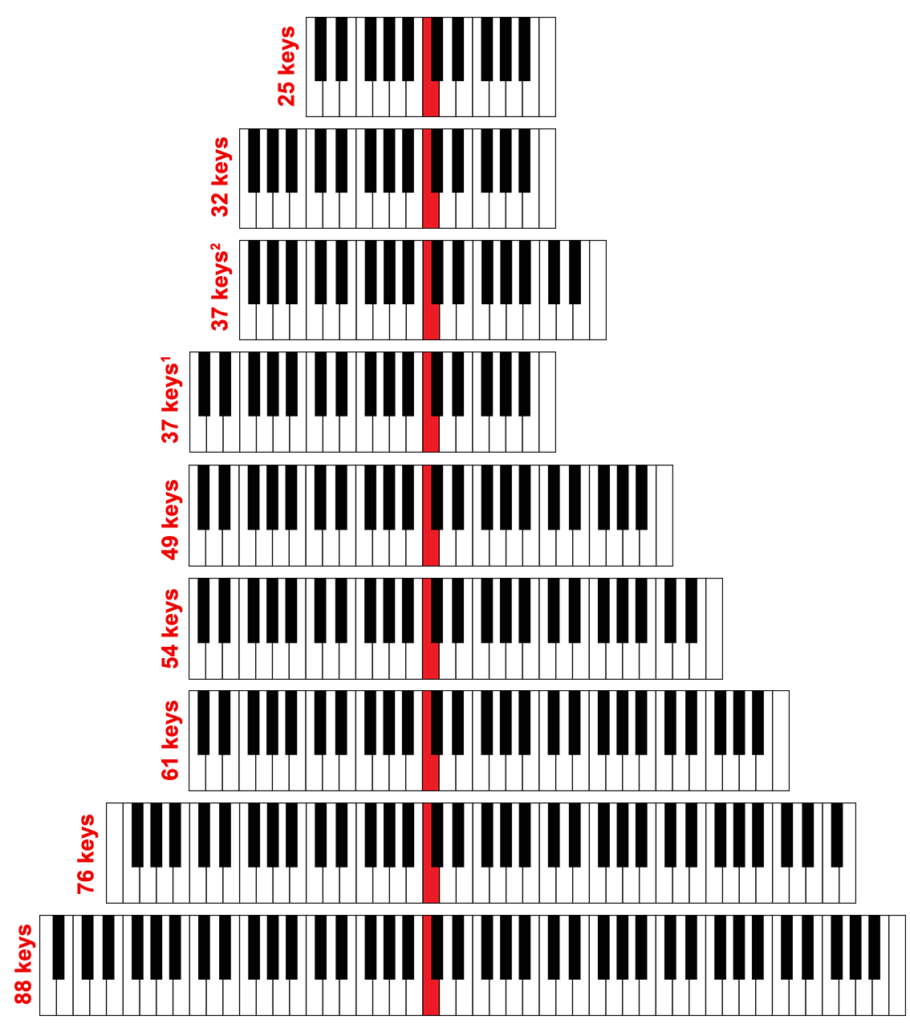
This comparison highlights the variation in key counts and how each type of keyboard suits different musical needs and preferences. From the ultra-compact 25-key keyboard to the full-sized 88-key piano, this visual aid will help you better understand your options.
Remember, choosing the right type of keyboard depends on:
✅ Your music style
✅ Your skill level
✅ Your personal preferences
With this visual comparison and detailed guide, you’ll be better equipped to make an informed decision about the perfect keyboard for your needs. 🎹✨